How Catalytic Converter Recycling Works For Businesses And Scrap Sellers
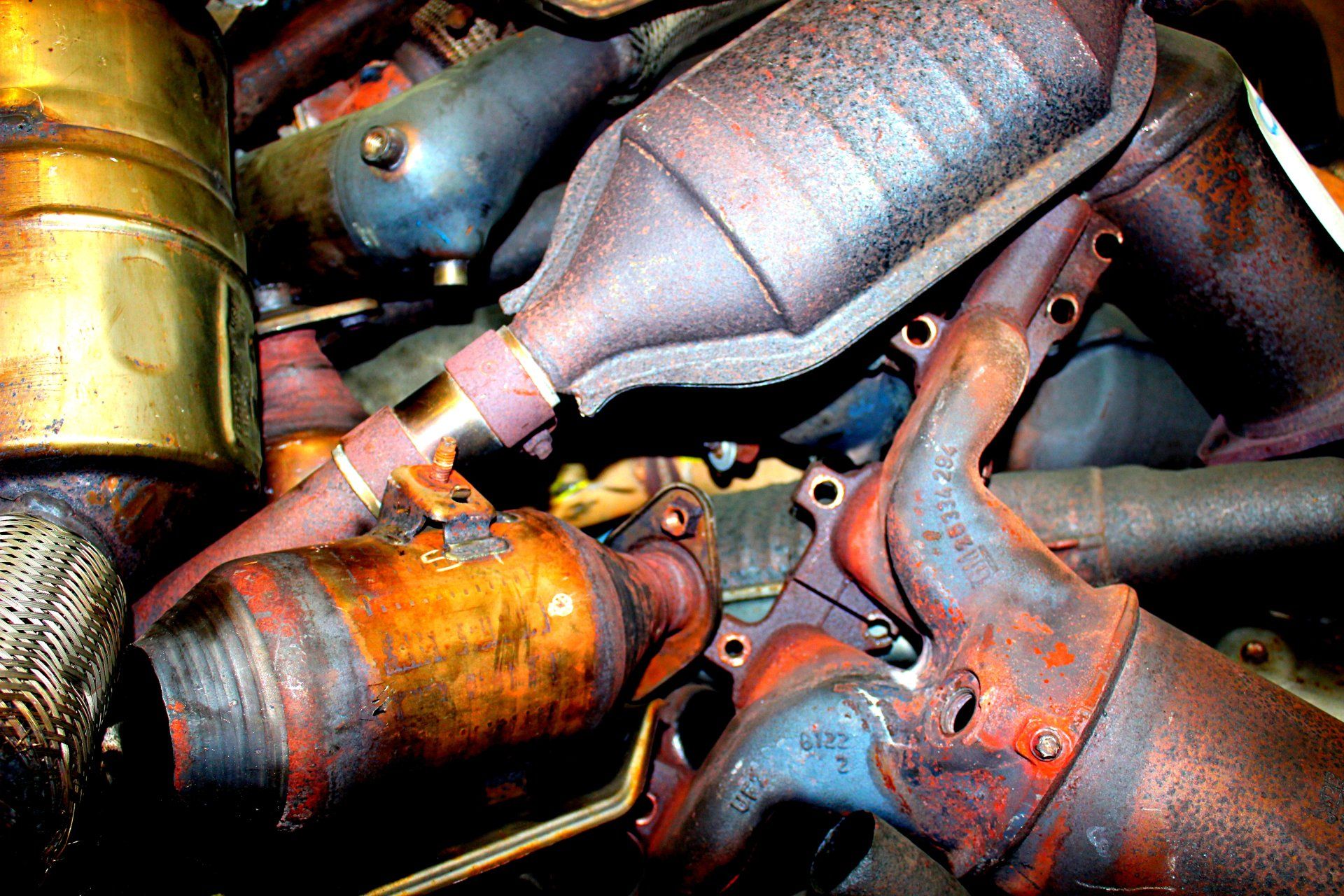
Catalytic converters preserve the price that most human beings do not absolutely comprehend. Inside them are precious metals that may be recovered and reused. Scrap dealers, workshops, and recyclers regularly look for clear approaches to recycle those units nicely. The recycling method isn't always complex; it does require proper managing and the right companion. Understanding how refiners' paintings facilitate dealers to avoid confusion and pointless losses.
Understanding converter value basics
Not all catalytic converters carry the same value. Age, vehicle type, and internal metal content all play a role. Some units contain higher platinum or palladium levels, while others have lower recovery potential. Knowing basic classifications helps sellers estimate worth before sending material. Clear identification prevents pricing misunderstandings later.
Why location matters
Many sellers search for a Catalytic Converter Refinery Near Me to reduce shipping risks and delays. Local or regional refining options can simplify logistics. Shorter transit times reduce handling issues. Communication also becomes easier when the distance is limited. Proximity often improves turnaround speed and transparency.
Buyer verification importance
Working with verified Catalytic Converter Buyers reduces risk. Reputable buyers explain their process clearly. They provide proper documentation and transparent weighing procedures. This builds confidence for scrap suppliers. Reliable buyers also follow environmental regulations, which matters for long-term partnerships and compliance.
The refining process is explained simply.
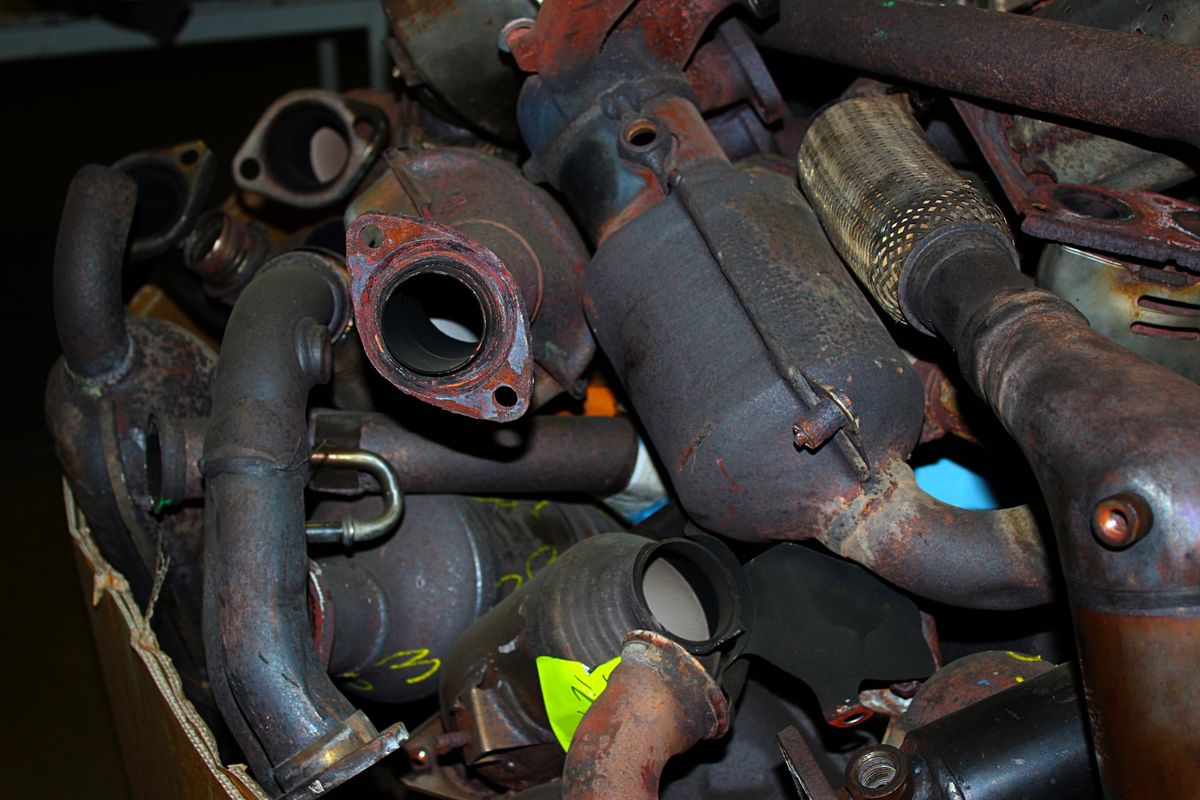
Once converters reach the refinery, they are processed through decanning and sampling. Material is ground and tested to determine metal content. Lab analysis ensures accurate measurement. This step matters because pricing depends on metal recovery percentages. A structured refining process protects both buyer and seller.
Pricing transparency expectations
Clear pricing structures reduce confusion. Sellers should understand how assay results affect final payment. Market metal prices influence payouts daily. Transparent refiners explain deductions and processing costs upfront. This clarity helps sellers plan inventory and cash flow more confidently.
Environmental responsibility
Catalytic converter recycling supports environmental protection. Recovering metals reduces the need for new mining. Proper refining minimizes waste and emissions. Ethical refiners follow strict handling guidelines. This benefits businesses looking to align with sustainable practices without additional operational burden.
Business advantages of proper refining
Working with professional refiners streamlines operations. Scrap yards and auto shops can move inventory efficiently. Accurate reporting supports internal records. Consistent processes reduce disputes and delays. Refining partnerships becomes part of stable supply chains.
Building long-term partnerships
Refining relationships works best when communication stays clear. Regular updates, consistent payments, and honest reporting matter. Long-term partnerships reduce uncertainty. Trust develops through reliability, not marketing promises. Businesses benefit when expectations remain realistic.
Conclusion
Catalytic converter recycling calls for accuracy, transparency, and professional dealing. Choosing the proper refinery associate helps dealers shield price at the same time as staying compliant. gndrefiners.com helps establish refining strategies that concentrate on precision, responsible healing, and clear verbal exchange. Businesses in search of refining catalytic converters want to prioritize performance, transparency, and operational consistency. If you are looking for a reliable refining associate, take time to check strategies carefully and work with experts who understand the rate of long-term collaboration.


Comments
Post a Comment