Important Things To Know Before Recycling Scrap Catalytic Converters
Scrap catalytic converters often sit unused for lengthy intervals. Auto restore stores and scrap yards acquire them without a clean plan. Most sellers know converters contain value, but the process feels unclear. Pricing sounds technical. Buyers explain things differently. This uncertainty causes delays. Having a basic understanding makes the recycling process easier and helps sellers avoid common mistakes.
What is inside a converter
Not every catalytic converter is the same. Some contain higher amounts of precious metals. Others have lower recovery potential. Platinum, palladium, and rhodium stages rely on automobile type and manufacturing yr. Visual inspection no longer reveals the real cost.
Only proper processing and testing provide accurate results. Understanding this prevents unrealistic expectations.
When sellers usually act
Many businesses decide to Sell Scrap Catalytic Converter inventory when storage space becomes limited. Holding material for too long affects cash flow. Market prices also change frequently. Selling at planned intervals helps businesses stay balanced. Regular movement of inventory is more practical than waiting too long.
Working with nearby recyclers
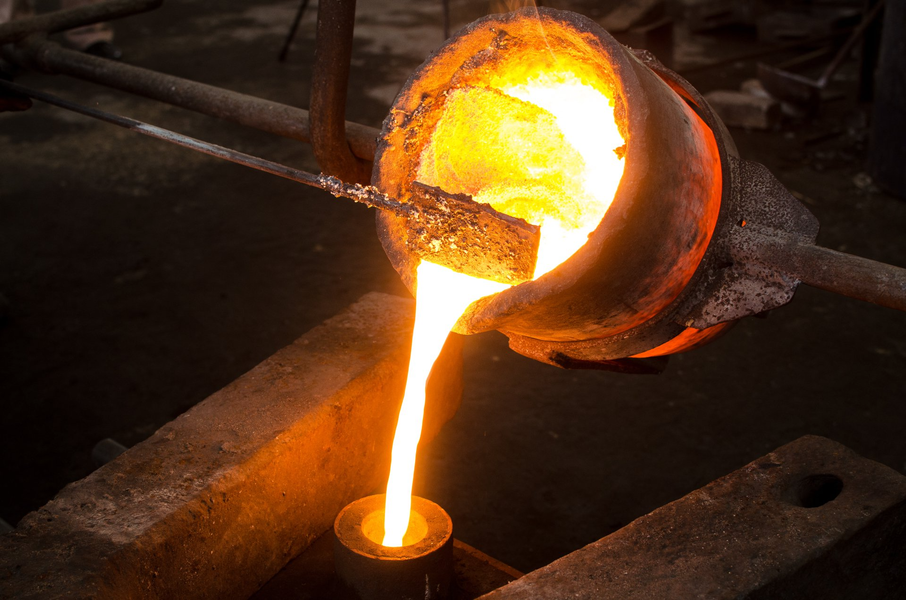
Some sellers prefer a Local Catalytic Converter Recycler for easier coordination. Shorter transport distances reduce handling risks. Communication is usually quicker. Local partnerships often simplify drop-offs and documentation. This approach works well for businesses that process converters regularly and value convenience.
How recycling is handled
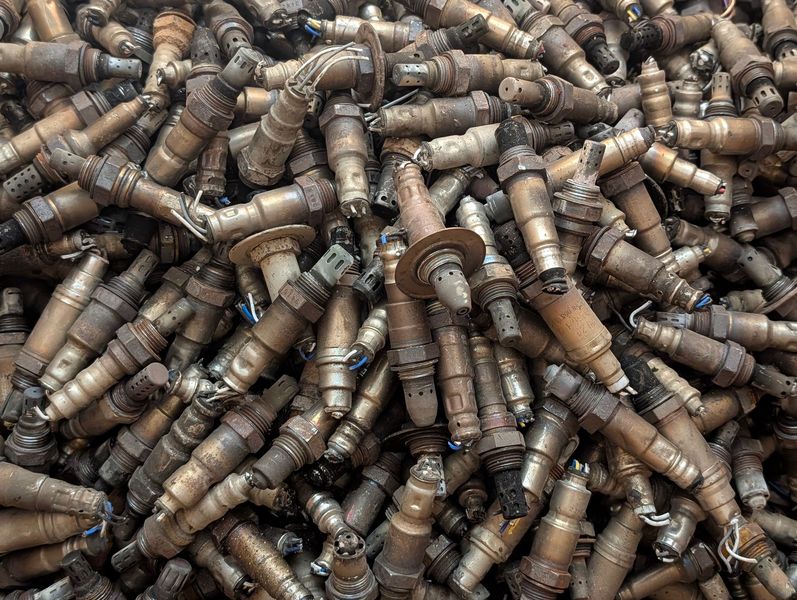
Converters are opened and processed carefully. The ceramic material is removed and ground into a sample. Laboratory testing measures metal content accurately. Final pricing depends on these results. This process takes time but ensures fairness. Guesswork or visual estimates are not reliable for refining.
Understanding pricing clearly
Prices depend on current metal markets and recovery percentages. Processing costs are also part of the calculation. Reputable recyclers explain deductions upfront. Clear pricing avoids misunderstandings later. Sellers should always ask how values are calculated. Transparency builds confidence.
Preparing material properly
Proper packaging prevents damage during transport. Mixing different converter types without labelling can cause delays. Keeping records helps with tracking and compliance. Organized preparation speeds up processing and reduces errors. Small steps make a noticeable difference.
Environmental responsibility
Recycling catalytic converters reduces the need for new mining. Precious metals are reused instead of being wasted. Responsible recyclers observe environmental protection suggestions. Ethical dealing with blessings organizations and the surroundings. Compliance is an important part of the process.
Long-term business value
Consistent recycling practices improve operations. Reliable partners create smoother workflows. Payments become predictable. Communication improves over time. Long-term relationships reduce uncertainty and save effort. Stability matters more than quick transactions.
Conclusion
Recycling scrap catalytic converters works well when sellers recognize the procedure and expectations. Clear communication, right handling, and accurate assessment shield fee. gndrefiners.com follows based refining practices focused on transparency and precision. Businesses benefit after they work with skilled experts rather than counting on shortcuts. Choosing responsible recycling partners is a practical step in the direction of smoother operations and higher long-term results.


Comments
Post a Comment