Understanding How Industrial Processing Recovers Precious Metal Content
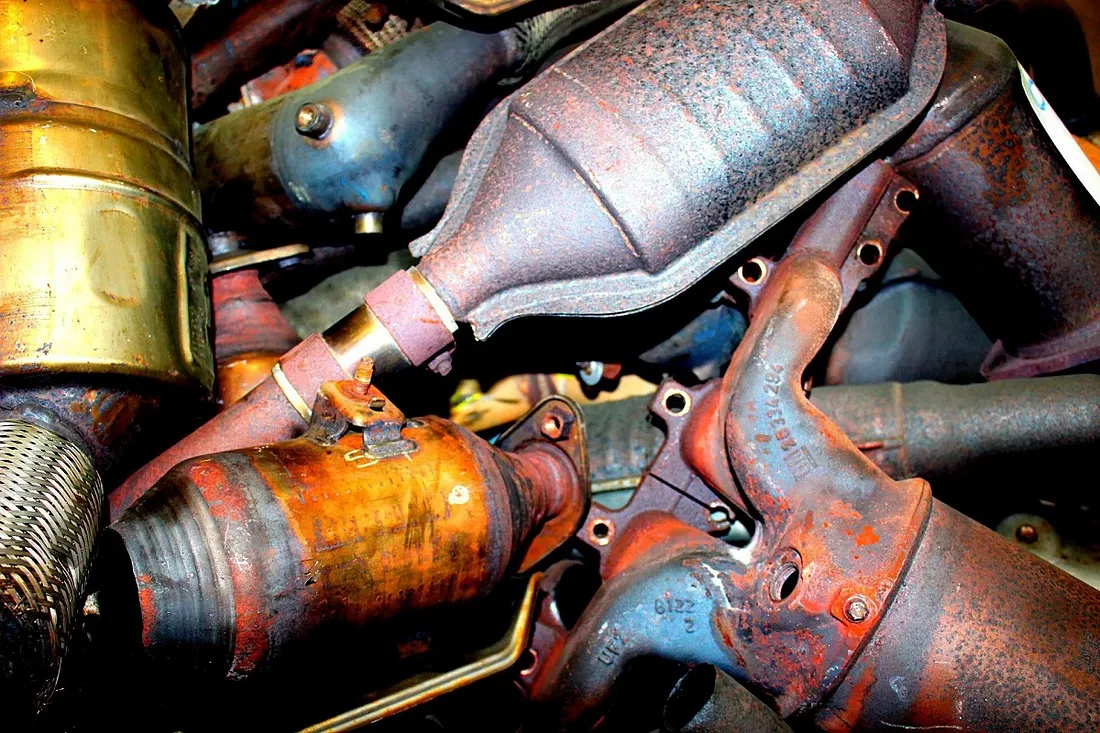
Old automotive parts sit in piles every day waiting for full recovery. Inside these plain metal shells lie small bits of rare metals like platinum, palladium, and rhodium. Modern refining steps extract these valuable metals safely and cleanly. Every individual catalytic converter processor uses special mechanical tools to break down tough honeycomb structures. This initial step helps separate useful elements from unwanted ceramic waste, which saves time, reduces energy use, and recovers maximum value.
Breaking Down Heavy External Shells
Heavy steel casings shield precious metals from harsh road elements. Special shearing machines cut open these hard outer walls without losing inner dust. Workers separate ceramic cores carefully to keep tiny metal particles intact. Quick physical sorting prevents valuable materials from getting lost in general waste streams. Clean mechanical separation sets up every batch for smooth chemical extraction later. Proper handling here keeps processing fast, simple, and safe.
Grinding Ceramics Into Fine Powder
Solid ceramic bricks must become smooth powder for testing. Industrial mills crush the material into tiny uniform bits. This step makes sure platinum and palladium spread evenly throughout the whole sample. A modern catalytic converter refinery tests small portions to measure metal levels accurately. Even grinding stops errors during pricing and helps sellers get fair returns. Clean dust collection systems catch loose powder so nothing escapes into the air.

Sampling Powder For Exact Valuation
Testing small samples gives clear details about total metal weight. Laboratories take tiny amounts of ground material and melt them down with lead or copper fluxes. High heat separates precious elements from basic ceramic slag. Chemical testing shows exact parts per million for every rare metal inside. Knowing true numbers helps buyers pay accurate prices for every batch. Accurate lab results build trust between sellers and refiners.
Smelting Material In High Furnaces
Giant industrial furnaces heat mixed powders to extreme temperatures. Chemical additives bind with platinum group metals while waste floats up as glass slag. The heavy liquid metal sinks to the bottom for safe collection. Workers pour the liquid metal into solid bars for easy handling. High-heat smelting cleans out non-metallic materials efficiently. Smart furnace controls lower energy use while keeping metal recovery rates high.
Separating Platinum Through Chemical Baths
Solid metal bars undergo strong acid treatments to split mixed metals. Chemical solutions dissolve platinum, palladium, and rhodium at different speeds. Liquid filters separate each distinct metal into high-purity states. Workers dry these purified chemical compounds into fine metal sponges or bright powders. Final products reach high purity levels suitable for new industrial uses. Clean chemical processing turns old automotive scrap into fresh, usable manufacturing stock.
Conclusion
Recycling old exhaust parts saves limited global resources while yielding great financial returns. Industrial refining processes turn messy automotive scrap into pure, usable metals with minimal waste. Advanced testing methods guarantee fair pricing and clear results for every seller. Working with direct processing experts at gndrefiners.com ensures maximum payout for recycled materials. High recovery standards keep valuable materials moving back into manufacturing cycles safely, cleanly, and efficiently.


Comments
Post a Comment